
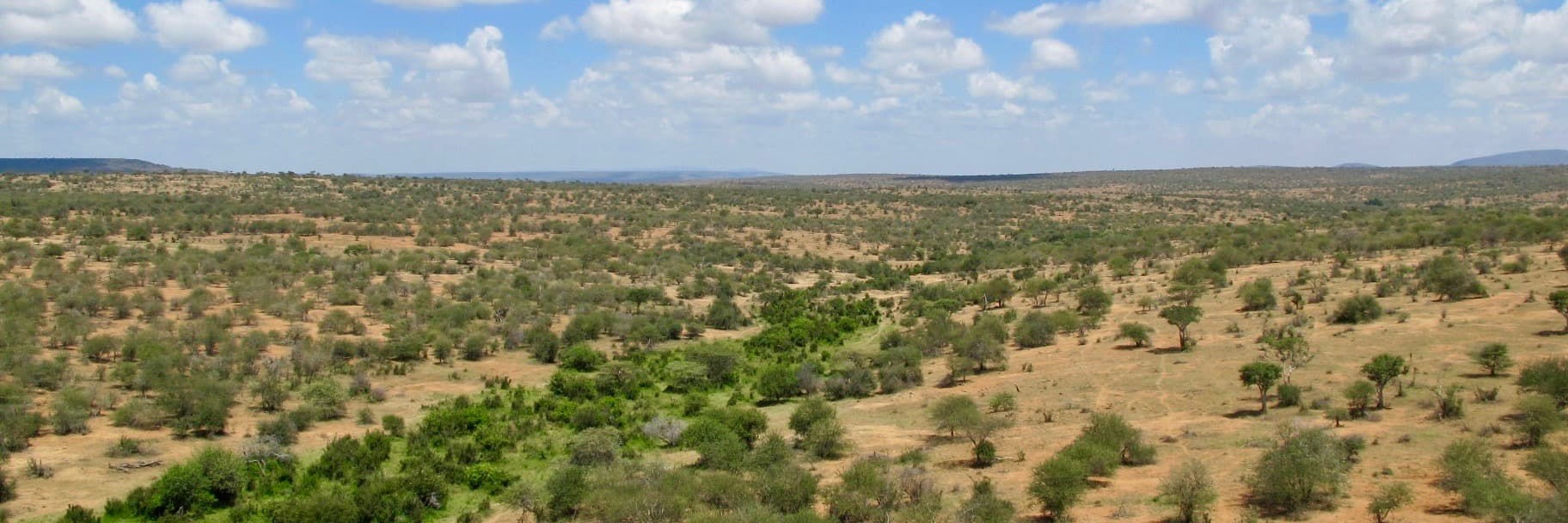
Water, Vegetation, & Society
Understanding the couplings between surface hydrology, vegetation dynamics, and ecosystem processes in drylands.
Bren School |Dept. of Geography |Earth Research Institute |UCSB
Research Areas
Our interdisciplinary research spans multiple domains, addressing critical challenges in water resources, agricultural sustainability, and environmental systems.
Ecohydrology
Understanding patterns and process in dryland landscapes, from leaf-level processes to ecosystem-wide water cycles and their response to environmental change.
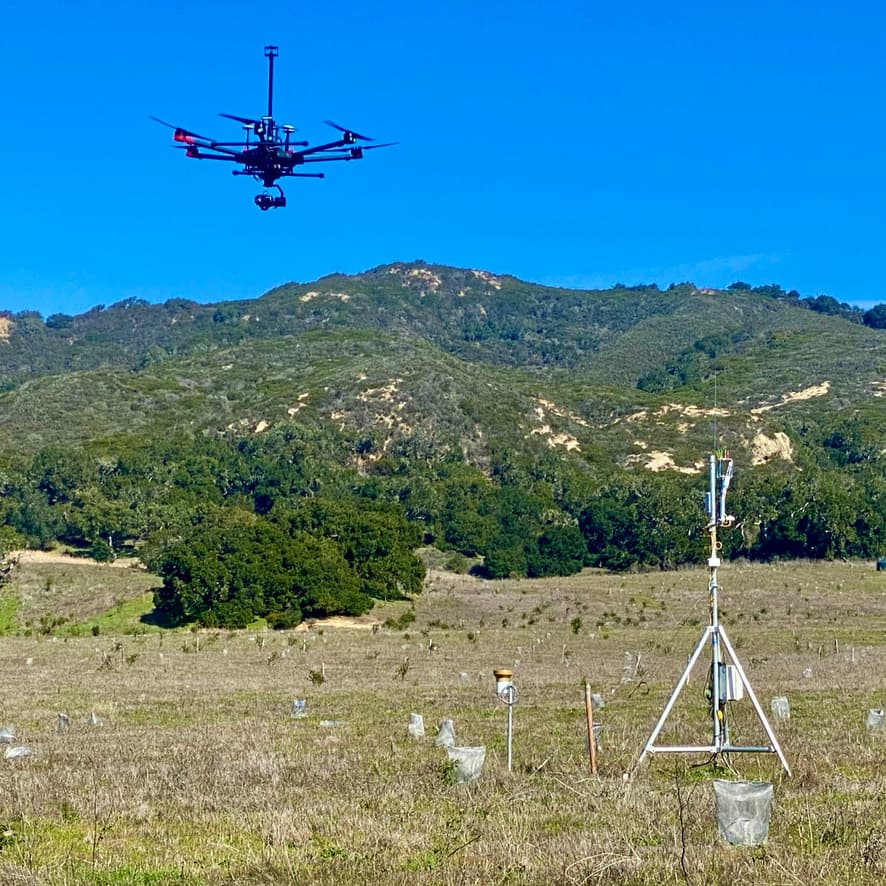
Environmental Sensing
Developing novel approaches that illuminate ecohydrological patterns and processes through advanced remote sensing and monitoring technologies.

Coupled Natural-Human Systems
Resolving coupled social-environmental system dynamics in subsistence agriculture and developing sustainable water management strategies.
Latest News
All lab newsWAVES Lab at the AGU Fall Meeting 2026
October 2026
WAVES Lab members and collaborators are presenting 18 talks and posters at the AGU Fall Meeting in San Francisco, 7 to 10 December 2026.
Kelly Caylor Elected AGU Fellow
October 2026
Kelly Caylor has been elected a Fellow of the American Geophysical Union in the 2026 class.
Recent Publications
All publicationsEstimating whole-tree sap flow in buttressed and irregular trunks
Michael W. Burnett, Rayna Ruggeri et al. (2026) • Agricultural and Forest Meteorology
Recent publication
Is population growth a threat to agriculture? Perceptions in rural Kenya
S. Lopus, Zack Guido et al. (2026) • Population and environment
Perceptions of population growth and its potential threats to water security could prompt sustainability actions such as infrastructural improvements, use of water-saving technologies, and limits on water access. However, little is known about perceptions of population dynamics, including in rural areas of low-income countries. We surveyed around 500 smallholding farmers in a largely rain-fed region of Central Kenya, finding that virtually all respondents (96%) perceive population growth in their area, and the majority (57%) view localized population growth as a threat to their agricultural livelihoods. Although respondents in faster-growing areas were more likely to perceive population growth, localized demographic conditions were not associated with the likelihood of viewing population growth as a threat to agriculture. Respondents with high population threat perceptions commonly expressed concerns about land – not water – shortages, suggesting that population threat perceptions may not prompt water-conscious climate resilience in the way we had hypothesized. This study represents a useful step toward better understanding how population perceptions could shape population-responsive environmental policy in a growing region.
Join Our Research Community
Interested in collaborative research opportunities, postdoctoral positions, or graduate studies? Learn more about joining our interdisciplinary team.